
Everyone loves surprises, but not during a move. Nothing can be more nerve-wracking…

Everyone loves surprises, but not during a move. Nothing can be more nerve-wracking…

At last! You’ve finally arrived at your destination. As you set foot into…
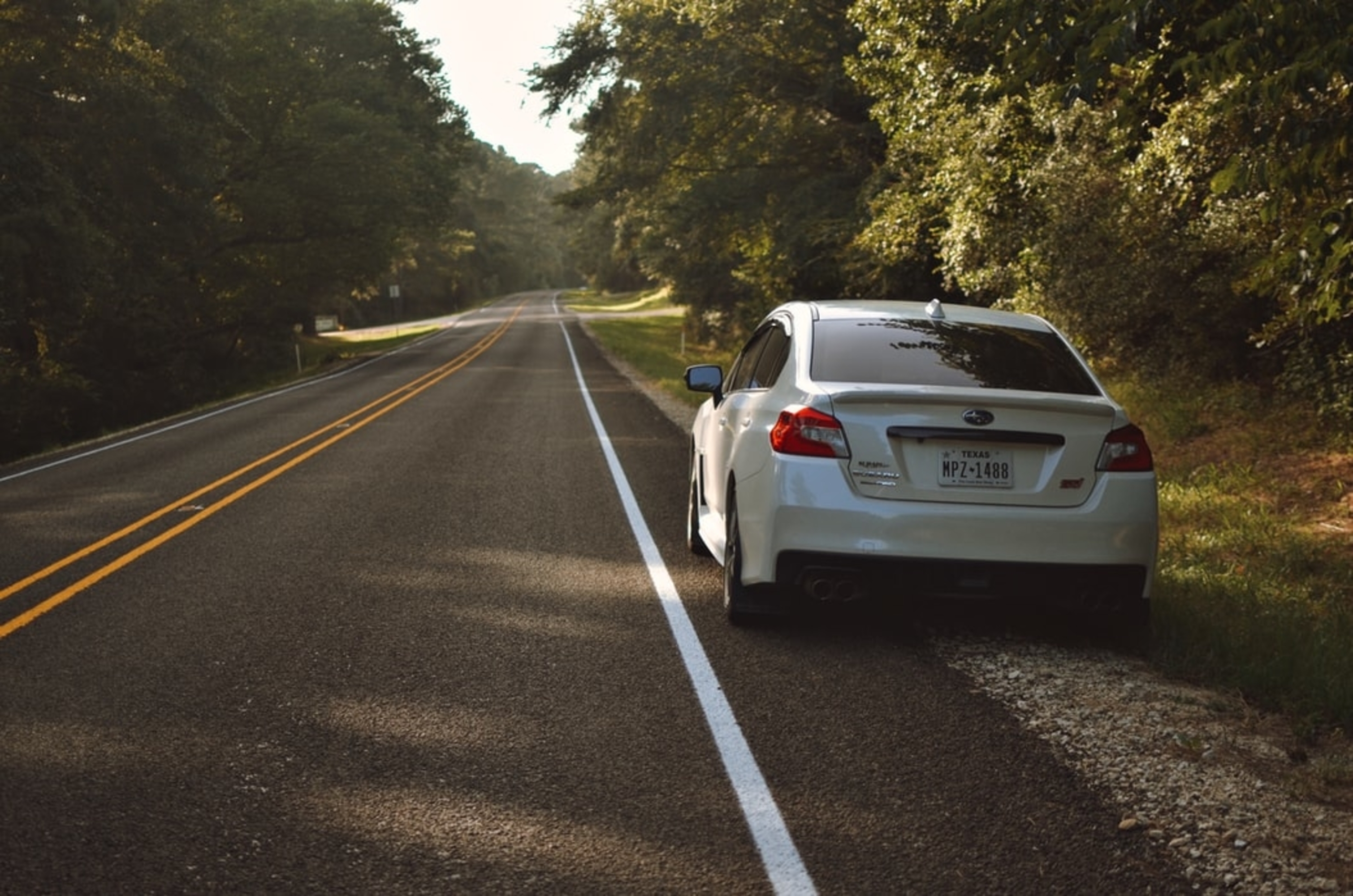
Texas has been the favorite moving spot for Californians over the past decade, which doesn’t come as a surprise. With no state income tax, affordable living costs, consistent economic growth, numerous job opportunities, moderate weather, great outdoors, unlimited options for entertainment, and so on, the Lone Star State outshines the Golden State in many ways.
If you’re planning to move to Texas, its wide-open spaces (spanning some 268,000+ square miles) offer more than enough reason to bring your car. Although auto transport isn’t as complicated as moving your entire house, this shouldn’t stop you from learning about the process.
So here are frequently asked questions when shipping a vehicle from California to Texas.
To tell you the truth, there’s no exact answer to this question. It depends on where you’re from in Cali and where you’re moving to in Texas. The final price may be higher or lower than you expect depending on the time of year, the car you drive, and other factors.
Here are the average costs for shipping a car to Texas from California to give you a rough estimate:
Shipping From − To | Distance | Cost | Transit Time |
| San Francisco, CA to Houston, TX | 1930 miles | $1200 | 4 – 6 days |
| Los Angeles, CA to Dallas, TX | 1450 miles | $750 | 3 – 5 days |
| Los Angeles, CA to Austin, TX | 1550 miles | $850 | 3 – 5 days |
| Sacramento, CA to Fairview, TX | 1720 miles | $950 | 4 – 6 days |
| San Diego, CA to San Antonio, TX | 1275 miles | $600 | 3 –- 5 days |
| Long Beach, CA to Irving, TX | 1435 miles | $725 | 3 – 5 days |
Besides distance, many other factors can affect how much you need to spend to get your car across the country to the Lone Star State.
The average distance a carrier can cover ranges from 450 – 550 miles a day. Traffic is the main factor at play here. Trips from California to Texas are typically 1500 – 2000 miles so expect your car to arrive within 3 to 6 days.
Yes and no. The answer lies in the hands of your shipping company. Some companies allow personal items as well as some luggage to be transported for an added price. However, it’s usually too risky, pricey, and not worth it.
If you still insist on doing so, don’t hesitate to talk to your company about it. It’s also a good idea to inform the carrier driver of what items are inside your car.
Of course! Many shipping companies provide discounts for valued customers.
Here are some examples of commonly offered discounts:
Car shipping can be quite costly, but discounts, no matter how small, help cut down the final cost. Make sure to ask your auto transport company what deals they are currently offering.
Yes. Most companies cover up to 100k under carrier insurance. For higher value vehicles, you can ask your shipper about obtaining higher coverage.
Coming across this article means that you’re keen on saving money. That’s good. More knowledge gives you more control over the situation. Don’t forget to research the top companies that can help you with shipping a car to Texas. Wishing you a smooth auto transport experience!

With more than two million residents, the Houston metro area is the fourth largest in the country. This is a beautiful, eclectic, and active city that provides residents with incredible job opportunities and plenty of culture and recreation to enjoy in their free time. If you’re moving here, you’ll find that there is a lot to love! Plus, you will be a short drive away from Galveston, Kemah and other Gulf Coast locations. However, before you can get fully settled in and enjoy all that Houston offers, you will need to tackle a few important post-moving tasks.
Relocation can be tricky. Even after you’ve done all the packing, moved everything and started tackling the mountain of boxes that need unpacking, there are still lots of other moving-related things to get done. Our friends at Cheap Movers Houston, one of the top moving companies Houston has, helped us put together a list of some of these to-dos. Here is their guide to completing your Houston relocation:
Your insurance provides you and your loved ones with incredible benefits and financial protection. You may have life, auto, and home or renter’s insurance as well as other types of coverage. Make a list of all your insurers, and change your address with each one. Remember that your premiums may change for your auto and property insurance because of your change of address. Here are some great tips for updating insurance during a move.
You will also need to make your residency in Houston official by requesting a new driver’s license. Texas driver’s licenses are issued by the Texas Department of Public Safety. There are several DPS offices located in convenient locations throughout the Houston area. Ensure that you bring the proper documentation with you to the DPS by reviewing the requirements online as a first step.
It is important that you continue to receive all your mail, and the post office can facilitate this process. You can simply visit the post office’s website to file a change of address or mail forwarding form. This will provide you with mail forwarding service for several months. When you get mail that has been forwarded to your new address, take the time to contact each sender individually to notify them of your new address.
You should also make a list of all the creditors and banks that you do business with. This may include credit card companies, your auto loan lender, the bank where you have a checking and savings account, your stock brokerage or retirement account broker and more. For many of these companies, you will be able to access your account online and update the information yourself in a matter of minutes. Simply go down your list item by item to ensure that all your financial contacts have updated contact information for you.
If you have children, you will need to enroll them in a local school. There are several very reputable private schools throughout the metro area, or you can choose to send your kids to public school. Because of the size of the metro area, there are numerous independent school districts including the Houston Independent School District, the Cypress-Fairbanks Independent School District, and the Katy Independent School District, among others. You can ask your landlord or real estate agent which public schools your home is zoned for, and you can research registration documentation required by visiting that school district’s website. Typically, a birth certificate, proof of residency, and immunization records are all that is needed to enroll a child in a new school.
Life in Texas can be amazing, and most Texans would not choose to live in any other location. Walk through these simple post-moving steps, and you can sit back and relax as an official Texan.

The city of Austin, Texas is packed with fun festivals that are held…

Those who have just moved out of their parents’ house, graduated from college, or have been on their own for a few years may be craving a change of scenery. And if you’re looking to meet new people and experience a different culture than what you’re used to, try moving to the city of Austin, Texas. With big-city attractions, a small-town feel, and plenty to keep you on your toes, it’s the perfect place to discover more about yourself and your surroundings. To learn more about why everyone should move to Austin at least once in their lives, read on!
With over 250 live venues, the city of Austin has a diverse and vibrant music scene. With regular concerts at dive bars, coffee shops, outdoor patios, and night clubs, everyone who lives in Austin is bound to connect with local artists and musicians. The city even hosts exciting music festivals like SXSW and ACL that attract thousands of visitors and the biggest names in music.
The city of Austin is famous for its various takes on tacos, and you don’t have to walk further than a block or two to find delicious tacos for breakfast, lunch, or dinner. There are also popular BBQ joints, such as Franklin Barbecue, that serve southern-style briskets and pulled pork dishes. With an abundance of fusion food trucks that are parked around every corner and fresh new restaurants that are eager to tease your taste buds, Austin is the perfect place to develop your inner-foodie.
Also known as “Silicon Hills,” Austin has a thriving technology culture. If you’re interested in starting a career in the growing field of technology, it’s the perfect place to find a job. And with companies such as Apple, Google, and Dell moving their headquarters to the city, you can guarantee that Austin is at the forefront of what’s coming next in the world of technology.
The city of Austin is surrounded by beautiful hills, rolling prairies, and deep caves that provide plenty of outdoor activities. You can go spelunking in one of the many nearby caverns or take a hike to glimpse stunning views from the top of Mount Bonnell. Austin also boasts Zilker Park, the city’s biggest playground, and a botanical garden that is perfect for exploring on a sunny afternoon. The best part is that you can count on the weather being warm and sunny almost all year round, which means you can kayak or paddleboard whenever the mood strikes!
Due to its booming art and creative culture, Austin’s unofficial slogan is “Keep Austin Weird.” With numerous art galleries, museums, and exhibitions, you’ll find many local artists to meet and befriend here, while also discovering what kind of art best suits your tastes. You can also see evidence of the city’s creativity in the many colorful and interesting examples of street art found around town.
People flock to Austin for all sorts of reasons: to attend the University of Texas, check out the many music festivals, find a new career, and more. You’re bound to meet new people with many different backgrounds from this diverse group. With a culture that prides itself with open minds, artistic visions, and new ideas, Austin is a great place to find friends that will last you a lifetime.
Austin is rapidly growing and changing. With that being said, this is the perfect time to get in on the action. As you contemplate your move to the capital city, make sure to have the logistics covered to guarantee the relocation’s success.
However, this is easier said than done. Moving can quickly get complicated and impose challenges. To ease your burden, here are a few useful tips that can help simplify your move.
Create a master plan. Even back in college, cramming was a thing. And you know how it often ends, right? Either you get lucky or things get messed up. When moving, you don’t want to wait until the last minute and hope it works out. It’s best to be prepared. Map out as much as you can in detail. Get started by taking out a notepad and coming up with a simple to-do list along with an inventory of your belongings. This list will serve as your guide throughout the entire process.
Pack resourcefully. It’s not a secret that you can save a lot if you do the packing yourself. You can even save more if you know how to utilize and be resourceful with materials. Ask for free boxes from your office or local grocery store or buy them in bulk from the nearest store (like Lowe’s or Home Depot) to get a discount. Use old linen and used clothes for padding instead of purchasing foam pads. Cover your breakables with newspaper instead of buying wrapping paper.
Prepare a ‘survival box.’ Just like the pre-move phase, unpacking is an extensive process. You can’t expect to unload and settle everything within a day of arriving at your new place. So prepare a box containing essentials, such as a toothbrush, a fresh set of clothes, toilet paper, and medication to help you survive your first night.
Get professional assistance. One person can only do as much. Even with the help of friends, the lack of experience can make things quite tricky. To save time and energy, don’t hesitate to hire a trusted moving company. With their expertise and broad knowledge of moving logistics, they can guarantee you a hassle-free relocation.
Be warned that not all moving companies operate at the same level of quality and finesse. Some provide exceptional services but demand exaggerated prices. Others work may offer lower rates, but leave customers unhappy due to a terrible moving experience.
Want quality services while clinging to a tight budget? Then Cheap Movers Austin – (512) 233-6778 is the answer. Yes, this company offers affordable prices, but aims to deliver outstanding services while ensuring the satisfaction of valued customers like you! Book your move now.

If you’re visiting the city of Austin, Texas, get ready for an exciting…